by aemts | Aug 26, 2026 | Safety & Training News
When someone suddenly collapses, the most important thing is to act. Call 9-1-1, begin CPR, and use an automated external defibrillator (AED) as soon as one becomes available.
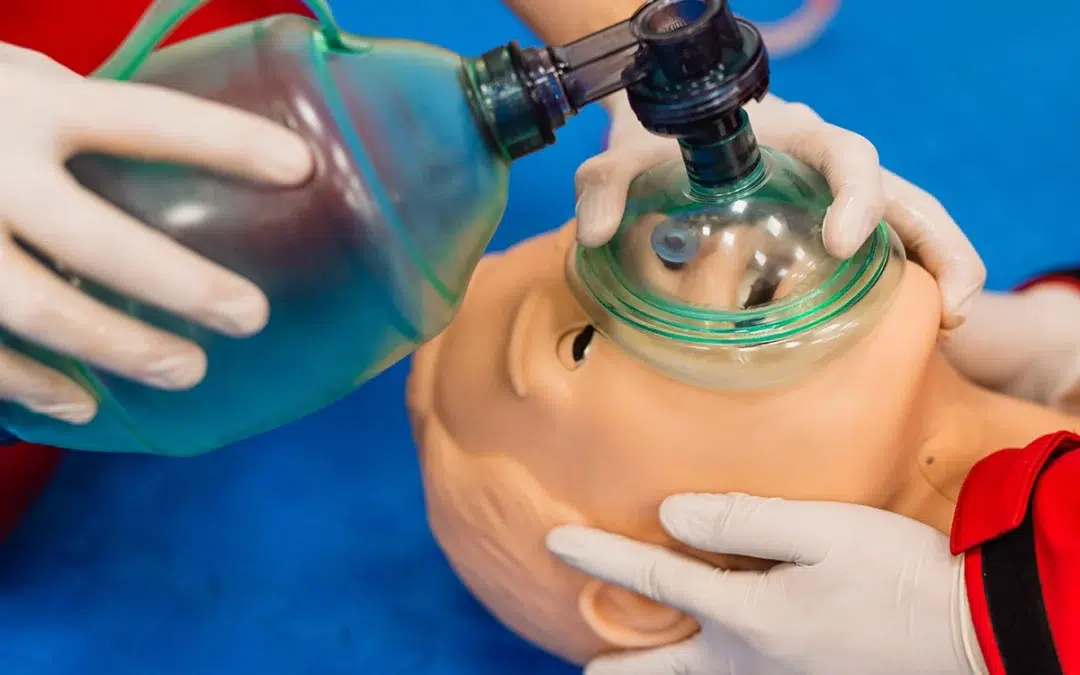
That message has not changed. However, Canada’s updated resuscitation guidance reinforces an important point that is sometimes lost in conversations about “hands-only” CPR: rescue breaths remain especially important for infants, children, and cardiac arrests caused by a breathing emergency.
Hands-only CPR can help, but it is not the whole story
Compression-only CPR is a practical option for an untrained person who witnesses an adult suddenly collapse. Chest compressions help circulate the oxygen already present in the person’s blood while emergency responders are on the way.
For a suspected adult cardiac arrest:
- Call 9-1-1 and send someone for an AED.
- Start CPR immediately.
- Apply the AED as soon as it arrives and follow its instructions.
- Continue until the person shows signs of life, trained help takes over, or you are unable to continue.
If you have not been trained or are uncertain about rescue breaths, provide continuous chest compressions and follow the instructions given by the 9-1-1 call taker. Doing something is far better than standing back because you are afraid of making a mistake.
Why children and infants are different
The Canadian edition of the 2025 CPR and Emergency Cardiovascular Care Guidelines renewed the emphasis on rescue breaths for infants and children.
Adult cardiac arrest is frequently associated with a sudden heart problem. In children and infants, however, cardiac arrest is more often the result of a breathing emergency. By the time the heart stops, much of the available oxygen may already have been used.
This means that chest compressions alone may not address the underlying oxygen shortage. CPR that combines compressions with effective rescue breaths is particularly important for children and infants.
Heart & Stroke’s updated guidance also supports 9-1-1 call takers providing instructions for rescue breaths during pediatric emergencies. If you are alone or uncertain, place the phone on speaker and follow the dispatcher’s directions.
Breaths also matter in breathing-related emergencies
Rescue breaths may be especially important when cardiac arrest follows:
- Drowning
- Choking
- A serious respiratory emergency
- An opioid-related emergency
- Other situations in which oxygen deprivation likely occurred before the heart stopped
In these circumstances, the person may have very little usable oxygen remaining. CPR with compressions and breaths can support both circulation and oxygen delivery until advanced care arrives.
What this means for workplaces and community organizations
An AED is essential, but preparedness cannot stop at purchasing equipment. Organizations should ensure that people are trained, equipment is accessible, and emergency procedures are practised.
A strong response program should include:
- Enough trained first-aid and CPR providers to cover every shift
- An AED that can be reached quickly
- Regular AED inspections and replacement of expired pads or batteries
- Clear instructions for contacting 9-1-1 and directing responders to the emergency
- Training that includes adult, child, and infant emergencies where appropriate
- Realistic practice that builds confidence in compressions, rescue breaths, and AED use
Schools, childcare settings, recreation facilities, fire departments, industrial workplaces, and community organizations should pay particular attention to pediatric CPR and breathing-related emergencies.
Training builds the confidence to act
Reading about CPR is useful, but it cannot replace hands-on practice. Quality training allows participants to practise recognizing cardiac arrest, starting CPR, delivering effective rescue breaths, using an AED, and responding when the situation does not unfold exactly as expected.
The latest Canadian guidance does not suggest that previously trained responders should hesitate while trying to remember every detail. The priorities remain straightforward: recognize the emergency, call 9-1-1, begin CPR, and use an AED as quickly as possible.
For untrained witnesses of a sudden adult collapse, compression-only CPR can save a life. For trained responders and particularly when caring for infants, children, or people affected by a breathing-related emergency, rescue breaths continue to be a vital part of CPR.
Atlantic Emergency Medical Training Solutions provides practical first-aid, CPR, AED, and emergency medical training designed to help people respond with skill and confidence. Contact AEMTS to discuss training for your workplace, organization, or community group.
This article provides general educational information and is not individualized medical advice or a substitute for recognized first-aid and CPR training. During an emergency, call 9-1-1 and follow the instructions of the emergency call taker.
Sources

by aemts | Aug 11, 2026 | Safety & Training News
If your AEDs are getting older, it may be a good time to consider replacing them.
AEMTS is pleased to participate in the Stryker AED Trade-In Program, which allows eligible customers to trade in older Stryker AEDs or qualifying AEDs from other manufacturers and receive a credit toward the purchase of a new Stryker AED.
The program is designed to help organizations refresh their AED equipment while reducing the cost of upgrading to newer Stryker technology.
How Does the AED Trade-In Program Work?
When purchasing an eligible new Stryker AED through AEMTS, qualifying older AEDs can be submitted as trade-in units.
Trade-in credits are applied on a 1:1 basis, meaning one eligible trade-in AED can be used toward one new AED purchase. The make, model, quantity and serial number of each trade-in unit are required as part of the process.
Once your order has been processed, return instructions and a Return Material Authorization (RMA) are provided for the equipment being traded in.
What AEDs Can Be Traded In?
The Stryker program accepts a variety of eligible AED models from several major manufacturers.
The trade-in chart included with the program lists models from brands including:
- LIFEPAK
- HeartSine
- Cardiac Science
- Defibtech
- Philips
- ZOLL
Trade-in values vary depending on both the AED being returned and the new Stryker device being purchased. The program documentation includes credits toward products such as the LIFEPAK CR2, LIFEPAK 1000 and LIFEPAK 15, as well as select HeartSine models.
Does My Old AED Need to Be Working?
Yes. AEDs must be in working condition to qualify for the trade-in credit.
Expired, broken or excessively worn devices are not eligible for the program.
When a trade-in AED is returned, its battery must also be removed before shipping. Customers have up to 90 days after receiving their new units to return the approved trade-in equipment.
Why Consider Replacing an Older AED?
AED technology continues to evolve, and replacing aging equipment can help ensure your workplace, facility or organization has dependable emergency equipment available when it is needed.
The Stryker Trade-In Program can make upgrading more affordable by providing value for eligible equipment you are already planning to replace.
It may be particularly useful for:
- Businesses replacing aging AEDs
- Schools and educational facilities
- Community organizations
- Recreation centres
- Municipal facilities
- Healthcare and medical environments
- Organizations managing multiple AED locations
AEMTS Can Help With Your AED Upgrade
Not sure whether your current AED qualifies?
Contact AEMTS before replacing or disposing of your existing unit. We can help determine whether your AED may qualify for the Stryker Trade-In Program and discuss available replacement options.
Trade-in values depend on the model being returned and the new Stryker AED selected, so eligibility and available credit should be confirmed before placing your order.
Ready to upgrade your AED?
Contact AEMTS to learn more about the Stryker AED Trade-In Program and find the right AED for your organization.
by aemts | Jul 23, 2026 | Safety & Training News
At AEMTS, growth has always been driven by a commitment to quality, reliability, and supporting those who help others. Today, we are proud to share an important milestone.
AEMTS is now an official distributor for Stryker.
This new partnership strengthens our ability to provide trusted medical and emergency response equipment to organisations, professionals, and communities that depend on reliable solutions every day.
What This Means for Our Customers
Becoming a Stryker distributor allows AEMTS to expand the products and services we offer to customers across multiple industries.
For healthcare organisations, emergency services, businesses, schools, municipalities, and safety professionals, this means improved access to respected equipment from one of the world’s leading medical technology companies.
Customers can continue to expect the same dedicated service from AEMTS while benefiting from access to Stryker’s innovative emergency response solutions. Beyond supplying equipment, AEMTS also provides ongoing support through AED program management, inspections, preventative maintenance, replacement pad and battery scheduling, compliance monitoring, and readiness checks—helping ensure lifesaving devices are always prepared when needed.
Why Stryker Matters
Stryker is recognised worldwide for innovation in medical technology, healthcare equipment, and emergency response solutions.
Their products are trusted by hospitals, emergency medical services, healthcare providers, educational institutions, workplaces, and public organisations that require dependable equipment in demanding environments.
From Automated External Defibrillators (AEDs) and emergency response equipment to advanced patient care solutions, Stryker has built a reputation for helping professionals respond quickly, safely, and confidently.
For organisations seeking proven equipment backed by industry-leading reliability, Stryker is a name people know and trust.
Supporting Healthcare, Emergency Services, and Beyond
At AEMTS, we understand that reliable equipment is only part of the solution—ongoing support is equally important.
Healthcare teams need tools they can trust during critical moments. Emergency responders require equipment that performs under pressure. Businesses, schools, recreation facilities, industrial sites, and public organisations need safety programs that remain compliant and ready to respond.
That’s why AEMTS offers more than equipment sales.
We help organisations develop and maintain comprehensive AED programs through:
- AED inspections and preventative maintenance
- Scheduled battery and electrode pad replacement
- Asset tracking and equipment monitoring
- Readiness verification and compliance support
- Program reviews and ongoing customer support
- Assistance with deploying AEDs across multiple locations
Our partnership with Stryker strengthens these services by providing access to trusted equipment while ensuring customers receive the local expertise and ongoing support they need throughout the life of their investment.
A Complete Emergency Preparedness Partner
Whether you’re purchasing your first AED or managing dozens of units across multiple facilities, AEMTS is committed to helping organisations stay prepared.
We work with:
- Healthcare facilities
- Emergency response agencies
- Schools and post-secondary institutions
- Industrial and manufacturing companies
- Municipal governments
- Recreation centres
- Offices and commercial workplaces
- Community organisations and non-profits
From selecting the right equipment to monitoring and maintaining it for years to come, AEMTS provides a complete solution focused on reliability, compliance, and peace of mind.
A Shared Commitment to Quality
Both AEMTS and Stryker share a commitment to quality, performance, innovation, and customer service.
This distributor relationship reflects our shared goal of helping organisations access dependable equipment while receiving knowledgeable support, responsive service, and long-term program management.
As we move forward, we look forward to building even stronger relationships with customers, partners, and communities through expanded product offerings and continued service excellence.
Looking Ahead
This is an exciting milestone for AEMTS and an important opportunity to better serve our customers.
Becoming a Stryker distributor represents more than business growth. It reinforces our commitment to providing trusted emergency response solutions, comprehensive AED management services, and ongoing support that helps organisations protect the people who depend on them.
We are proud to take this next step and excited about what the future holds.
If you would like to learn more about Stryker AEDs, emergency response equipment, AED monitoring and maintenance programs, or complete workplace preparedness solutions, contact AEMTS today. Our team is ready to help you build and maintain a safer, more prepared organisation.
by aemts | Jul 3, 2026 | Safety & Training News
In emergency medicine, firefighting, and workplace safety, we often say, “You will perform the way you train.” That statement is absolutely true, but there’s an important catch. If you train incorrectly, you’ll perform incorrectly when it matters most. These bad habits are commonly referred to as training scars.
What Are Training Scars?
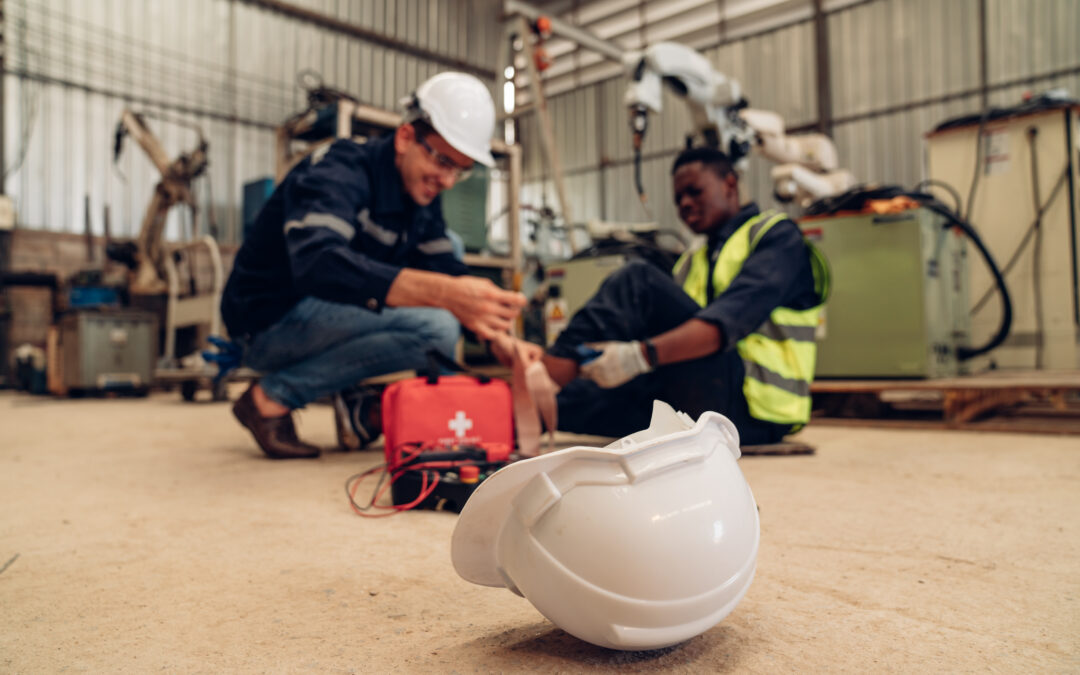
A training scar is an unintended habit developed during practice that carries over into a real emergency. These habits are usually created when training prioritizes speed, convenience, or repetition over realism and best practice.
Some common examples include:
- Performing CPR on a perfectly clean, dry floor every time instead of adapting to real-world environments.
- Automatically assuming every scene is safe without conducting a proper hazard assessment.
- Applying equipment in the exact same sequence regardless of the patient’s condition.
- Skipping verbal communication because everyone in the classroom already knows the scenario.
- Practicing skills without wearing the same personal protective equipment (PPE) that would be required in real incidents.
The problem isn’t that these shortcuts make training easier; they teach the brain that these shortcuts are normal.
Why It Matters
Under stress, people don’t rise to the occasion; they fall back on their level of training.
When adrenaline is high, our brains rely on muscle memory and practiced routines. If those routines contain shortcuts or unrealistic habits, those same shortcuts may appear during actual emergencies.
Whether responding to a cardiac arrest, an industrial accident, or a workplace injury, there is little time to think through every step. Your training becomes your foundation.
That’s why quality training is so important.
How AEMTS Prevents Training Scars
At Atlantic Emergency Medical Training Solutions (AEMTS), we believe every training session should build confidence while reinforcing real-world best practices.
We work hard to eliminate training scars by:
Teaching the “Why”
Participants don’t just learn what to do; they learn why they are doing it. Understanding the reasoning behind a skill helps people adapt to changing situations rather than simply memorizing a sequence.
Creating Realistic Scenarios
Our courses incorporate realistic environments, distractions, communication challenges, and problem-solving opportunities that reflect what responders and workers may actually encounter.
Reinforcing Safe Habits
Scene safety, PPE, communication, teamwork, and patient assessment are never treated as optional steps. They are integrated into every scenario because they are essential in real emergencies.
Providing Immediate Feedback
Our instructors correct mistakes as they occur, helping participants replace incorrect habits before they become permanent.
Encouraging Critical Thinking
Real emergencies rarely follow a script. We challenge participants to think, assess, adapt, and make informed decisions rather than simply following a memorized checklist.
Practice Doesn’t Make Perfect
We’ve all heard the saying, “Practice makes perfect.”
The truth is:
Well-guided practice makes permanent.
Only deliberate, high-quality practice builds the habits that save lives.
That’s why every AEMTS instructor is committed to delivering evidence-informed, engaging, and realistic training that prepares participants for the situations they may actually face, not just the ones found in a textbook.
Our Commitment
At AEMTS, we don’t simply teach courses—we prepare people to respond with confidence when someone needs them most.
Whether you’re learning first aid for the first time, refreshing your CPR certification, or developing advanced emergency response skills, our goal is the same:
- To ensure that every repetition builds the right habit.
- Because in an emergency, your training becomes your instinct—and instincts should never include training scars.
by aemts | May 28, 2026 | Safety & Training News
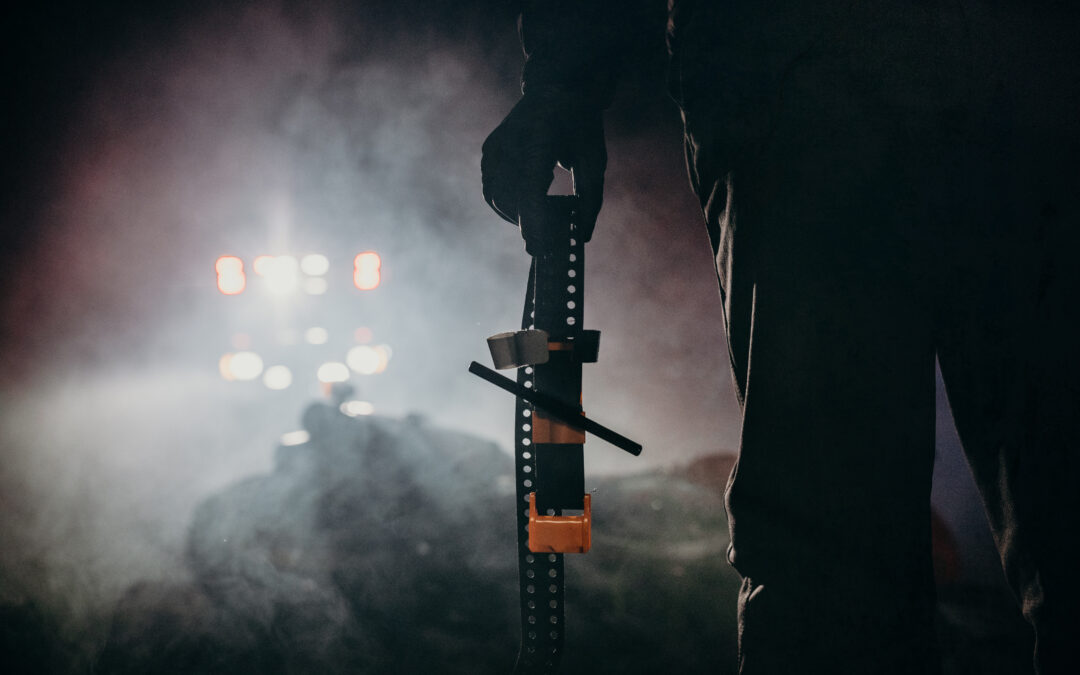
SWAT-T vs Traditional Tourniquet: Understanding the Differences in Emergency Bleeding Control
Severe bleeding can become life-threatening in a matter of minutes. Whether responding to a workplace incident, motor vehicle collision, industrial accident, or emergency in a remote location, having the right equipment and training can make all the difference.
One of the most common questions discussed in trauma and first aid training is:
What is the difference between a SWAT-T and a traditional tourniquet?
Both devices are designed to help control serious bleeding, but they serve different purposes, and each has advantages depending on the situation.
What Is a Traditional Tourniquet?
A traditional tourniquet, such as the SAM-XT, is designed to stop life-threatening bleeding from an arm or leg by restricting blood flow beyond the injury site.
These tourniquets are widely used by:
- Emergency Medical Services
- Fire Departments
- Law Enforcement
- Military Personnel
- Industrial First Aid Responders
Traditional tourniquets are considered the standard for controlling catastrophic extremity bleeding because they are fast to apply, highly effective, and supported by extensive medical research and real-world use.
What Is a SWAT-T?
The SWAT-T, which stands for Stretch, Wrap, And Tuck, is an elastic tourniquet and pressure dressing designed for multiple uses.
It can be used for:
- Bleeding control
- Pressure dressings
- Securing splints
- Paediatric patients
- Situations where a traditional tourniquet may not fit properly
The SWAT-T is compact, lightweight, and offers versatility that can make it a valuable addition to a trauma kit.
Comparing the Two
Traditional Tourniquet Advantages
- Fast application with proper training
- Consistent pressure when applied correctly
- Proven effectiveness for severe extremity bleeding
- Widely recommended by emergency medical guidelines
SWAT-T Advantages
- Multi purpose design
- Suitable for smaller limbs and paediatric patients
- Lightweight and easy to carry
- Can function as a pressure bandage when a tourniquet is not required
Why Training Matters
Having bleeding control equipment available is only part of the solution.
Knowing when and how to use it is what saves lives.
Proper training helps responders:
- Recognize life threatening bleeding
- Apply tourniquets correctly
- Use pressure dressings effectively
- Respond confidently during traumatic injuries
- Understand current bleeding control best practices
Hands on training builds confidence and prepares people to act quickly when seconds matter.
Building a Better Trauma Response Program
For workplaces, schools, recreation facilities, community organizations, and industrial sites, trauma preparedness should be part of every emergency response plan.
Alongside AED programs, first aid training, and emergency preparedness planning, bleeding control equipment can provide an additional layer of protection for staff, visitors, and the public.
At AEMTS, we help organizations strengthen their emergency response capabilities through:
- First aid and emergency response training
- Bleeding control education
- AED sales, rentals, and support
- AED monitoring and management programs
- Emergency preparedness consultation
A comprehensive approach to emergency preparedness helps ensure that people have the skills, equipment, and confidence needed to respond effectively when an emergency occurs.
Educational Resource
We recently came across this informative demonstration from TrumaPak that showcases the application of a SWAT-T and a traditional tourniquet. The video provides useful insights into the strengths, limitations, and practical uses of each device in bleeding-control situations.
Click to watch. Video Credit: TrumaPak
Shared for educational purposes. All rights reserved by TrumaPak.
Learn More
If your organization is looking to improve its emergency preparedness program, AEMTS offers training and support designed to help workplaces and communities prepare for medical emergencies.
From first-aid training and trauma-response education to AED program management and monitoring services, our team is committed to helping Canadians build safer environments for employees, customers, students, and visitors.